Friday, August 27, 2021

August 27, 2021 - Fostering plants- You Got To Be Kidding

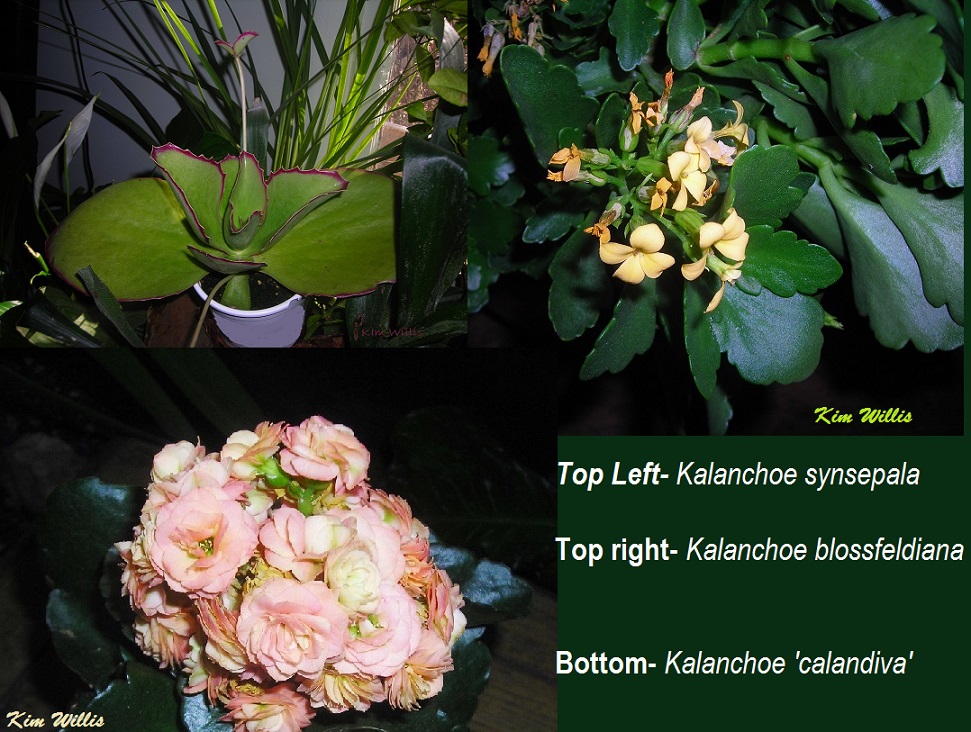
Crassula spp.

Succulents are a big fad in Japan as they are in many other countries right now, including the US.  Most people don’t realize that the term “succulent” applies to a whole range of plant species that have similar characteristics, but not necessarily similar care. I wish growers would stop labeling plants “succulents” and label them with their actual scientific names.

Plants classified as succulents have some beautiful and unusual members. But all succulents are not easy to grow, like dim light or can survive long periods without water. Each species has different needs, and some are quite difficult to grow in the home.

Many people now seem to be keeping plants simply as décor, and photographic subjects that can be posted on social media. In Japan it is extremely popular to post pictures of your succulents on Tic Toc and Facebook. The larger and more exotic your collection of succulents is the better.

But some of these social media personalities have found keeping a plant they spent a lot of money on so they could take pictures of it, is not as easy as they thought.  So, a new industry has blossomed in Japan, plant fostering.

That’s right, in Japan for a fee, greenhouses and experienced plant people will keep your prized succulents at their place, and send you pictures or let you come take pictures of the plants for your social media feed.  You get the recognition – but they get paid well for caring for your plant.

The top 10% have always had paid gardeners but take credit for their beautiful gardens. Martha Stewart is a prime example here, she’s shown working in her gardens, and no doubt she does do a little work. But the vast majority of the work on the gardens of Martha’s three homes is done by professionals. Most of the cooking and crafting is also done by others but that’s another story.

But rather ordinary people paying others to maintain houseplants for them so they can post pictures and talk about their collections is something new, and something I hope doesn’t spread to the US.  Houseplants are meant to be in YOUR house.  There’s no benefit to having houseplants if they are being kept somewhere else and being cared for by someone else.

This fostering of plants is also contributing to what has become a worldwide problem, the poaching of rare and endangered succulents from various countries. If an experienced grower is caring for a difficult succulent, it makes people more likely to spend big bucks on that rare succulent for their collection.  And if someone shows up at their door looking to arrest them for poaching, the plant isn’t there and they can say they the pictures they posted were faked.

I can see where unscrupulous plant fosters could make some big bucks off this insane trend also. Keep one of those big, rare succulents around and let people believe it’s theirs, while you sell it over and over again.

So far, I haven’t seen this fostering trend take hold in the US. It’s bad enough people are paying ridiculous prices for common plants because of a trend. But at least they seem to be trying to actually care for them at their home.  And that’s the way it should be.


If you are into collecting succulents because everyone else seems to be, at least make sure you get plants that have a scientific name attached, so you can find proper information on caring for them. All succulents do not like to grow in dim light and be watered by the teaspoon (or worse idea -ice cube.) They can’t be sat on a shelf and forgot about until you want a picture. And plants do not like to be shuffled into new pots and staged in new locations frequently for pictures either.

Houseplants will only benefit you if they are in your house and you are caring for them. Succulents are not the only plant type that are easy to grow, there are many types of easy to maintain houseplants. If you want houseplants, take the time to learn about them and assess your home so you can pick the right one for the spot and your capabilities.

Friday, August 20, 2021

August 20, 2021 'Blue my Mind'

 I decided on the spur of the moment this spring to make my containers on the porch have a red, white and blue theme. As some of you know, it’s hard to get true blue in flowers, red and white are easy. I put some of the bluer hued petunias in three planters, with red and white begonias and gerbera daisies but for a focal planter on the porch I wanted something different.  I put some blue salvia in the center, added red gerberas, and white alyssum, and then added this little blue charmer, an Evolvulus, cultivar named, ‘Blue my Mind’.

I tried growing Evolvulus years ago and wasn’t thrilled with it. But modern cultivars have made “dwarf morning glories” a much nicer plant. If you like pretty blue flowers, then this little charmer may be for you.  I am quite pleased with it as a container plant, where it’s hard to get true blue flowers.  It also makes a great ground cover in warmer areas.  I can see it mixed with red and white vinca or maybe pink wax begonias.

Evolvulus glomeratus is indeed related to the morning glories, but the leaves and flowers are not similar, except for one factor, the flowers do close up late in the day or if it’s raining, like morning glories. The true-blue flowers are about an inch across, have 5 petals and a white center. The plant does not vine but has a trailing habit.  The leaves are, slightly hairy, small and oval. In full sunshine the leaves have a silvery look, in less light the silver cast is lost.

Evolvulus is a tender perennial, it’s grown as an annual in northern states, but it might be a candidate for wintering indoors.  I intend to try it and see. Plants bloom from June all through summer. It prefers full sun but will still bloom in partial or light shade. It’s drought tolerant but too much dryness will make it stop blooming.

It’s easy to care for, mix in a little fertilizer at planting and give it a fertilizer boost in August. It doesn’t need deadheading but if it gets straggly in late summer it can be cut back and it will quickly regrow. No known insect pests but bees are quite fond of the flowers. It rarely has any disease problems.

Keep this little charmer in mind for your containers next year. It makes an excellent “spiller” or ‘filler” and that pretty blue brings something different to the show.

Tuesday, August 17, 2021

August 18, 2021 - Tomato hornworms are not hummingbird moths

Tomato hornworm
 OK- here's a rant. I am seeing this on various social media sites constantly and it's making me frustrated. It seems people are now into "rescuing" tomato hornworms because they are under the mistaken assumption that they turn into "hummingbird moths". This FALSE information is everywhere and people keep blindly sharing it.

Tomato and tobacco hornworms are closely related and both eat tomato plants. They are those big fat green worms with a "horn" on the butt. Their scientific names are Manduca sexta ( tobacco, most common) and Manduca quinquemaculata ( tomato). When they finish devouring your tomatoes they drop to the ground and make a chrysalis in the soil. They mature into a big gray moth called a hawkmoth, NOT A HUMMINGBIRD MOTH.
There are several species of hummingbird moths, those little day flying moths that can hover and look somewhat like a hummingbird. The most common one is the White Lined Sphinx moth -Hyles lineata. Their caterpillars do not eat tomato plants, but feed on a variety of plants like apples, grapes, peonies and four o clocks. Some species have a little horn but the caterpillars are smaller and do not look like hornworms. They are what turns into the moth that looks like a hummingbird and is often called the hummingbird moth.
Let me repeat this - TOMATO HORNWORMS DO NOT TURN INTO HUMMINGBIRD MOTHS!
So do not rescue tomato/tobacco hornworms. Squish them. Each one of them will make a whole lot more hornworms. They are not what we consider a beneficial insect.
This is what the tomato hornworm turns into. This is a Manducta or hornworm adult moth.

Photo credit Mark Dreiling Bugwood.org


Tuesday, August 10, 2021

August 10, 2021 Jewels of Summer


I’ve been hearing the shrieking of a baby bald eagle outside for some days now.  They are very loud, noisy babies. I haven’t seen it, but I recognize the sound from other years when I have seen them. If you want to know what they sound like go to this site  https://www.birdnote.org/listen/shows/baby-bald-eagles   While it’s nice knowing a new eagle is joining the population his shriek does get annoying after a while.

I have seen no signs of diseased birds yet. But I have noted that the orioles seem to have vanished already. There are hummers around, but fewer than last year. Lots of chickadees and Carolina wrens this year at my house.

We had rain early this morning, but the sun is out now, and the humidity is awful. The heat and humidity make any gardening chores difficult now, but some plants are happy in it. The taro and umbrella palm I have are going nuts. My dahlias are now huge and flowering well. The garden phlox have huge heads of flowers this year.

There are lots of things blooming right now in my garden. The lilies are just about gone and only a few daylilies are still in bloom.  But rudbeckia, shasta daisies, echinacea, lavender, buddleia, rose of Sharon, coreopsis, some early mums and lots of annuals are blooming. My hardy hibiscus and the ligularia will bloom soon.  

I like hosta flowers and I have varieties that bloom from June to September.  The hosta Aphrodite is starting to bloom now, it has huge white trumpet flowers that smell wonderful. And there’s an old fashioned, narrow leaved hosta that was here when we bought the place that’s coming in bloom. It has tiny purple flowers on long stalks. 

When you let hosta bloom and make seeds instead of deadheading the flower scapes you’ll get baby hostas coming up in many places and some of them are delightful looking crosses of your adult hosta. I find little plants and transplant them around the place every year. So much easier and nicer to the big plants than dividing them so you have more plants.  And who knows that wild pairing may produce the next star of the hosta world.

Food gardeners- time to think about next year

It seems like it’s been a pretty bad year for food gardening in many places.  If your garden wasn’t flooded, it’s consumed by fungal diseases. Tomatoes aren’t ripening for some folk and cucumbers are small and bitter. I think the type of weather we are having, too hot, erratic temperature shifts, too wet, violent storms, is only going to intensify over the next few years.

Gardeners shouldn’t give up. Evaluate what you could do different next year. Maybe you could buy disease resistant varieties next year instead of heirlooms. Maybe you need raised beds for drainage. Or a drip irrigation system because your area is getting drier. Or maybe you should move, and I’m not saying that lightly.

Some of you may need to reevaluate your desire to grow without pesticides against your desire to produce food. With the stresses plants now have from erratic weather organic growing can leave you without much of a crop.  Pesticides can be used safely without harming the environment. You just have to use them wisely.

 A Gem of a Weed- Jewelweed

If you are looking for something a bit unusual for the garden that attracts hummingbirds and bees, you may want to try jewelweed. It’s blooming now in my garden and the plants are filled with buzzing bees. Hummingbirds go from each tiny flower to the next collecting nectar. And jewelweed is a native plant that will grow in a wide range of conditions. It may spread aggressively in some conditions so do consider that.

Jewelweed flower, seedpods below it

Jewelweed, (Impatiens capensis), is a native wildflower of Eastern North America.  Another common name for the plant is Touch- Me- Not, which comes from the seed pods which explode when touched. Jewelweed also has uses in herbal medicine and could be a candidate for the medicinal garden. 

Jewelweed is a tall, rangy plant so it looks best in the back of gardens and in informal settings.  It’s a good plant to use in rain gardens, native wildflower gardens and partially shaded areas.  It will grow in full sun if the soil is kept moist such as near ponds or in wet areas. It will also grow in deeper shade, but it will flower less.  It prefers rich, water retentive soil and doesn’t do well in sandy soil.

What Jewelweed looks like 

As a member of the impatiens family the jewelweed leaf is very similar to the leaf of the impatiens we plant in our yards. They are large, broadly oval, thin, and have toothed edges.  Jewelweed grows much taller than garden impatiens, with stems up to 6 feet in height if conditions are good.  The stems are very succulent, can become as large as your finger, and have prominent swollen joints.

The flowers of Jewelweed begin as small clusters of whitish buds coming from a stem and leaf junction.  They are on top of the leaves as they begin but by the time the buds open the leaves will have grown and the pretty yellow and orange flowers will dangle beneath them on slender stalks.   It begins blooming in mid-summer and will continue until frost.

Jewelweed flowers are yellow and funnel shaped ending in a narrow, curled tube called a spur. There is a flare of petals at the lower side of the opening that are usually orange.  The yellow throat of the flower is speckled with orange and brown. The flowers vary from 1/2 inch to an inch long.  There is another species of jewelweed that has flowers that are entirely pale yellow. 

While they are tiny, jewelweed flowers are incredibly attractive to bees and hummingbirds.  Hummingbirds will often spend many minutes in a patch of jewelweed hovering over each tiny flower for a sip.  In mid-day a clump of jewelweed will often be buzzing with clouds of bees.

The flowers turn into long, slender seed pods that explode at the slightest touch throwing the tiny, hard, dark seeds far from the plant. The plant is an annual, which readily, some say too readily, reseeds in the garden each year.

Getting started with jewelweed

It can be hard to find seeds or plants to get jewelweed established in your landscape. Some wildflower catalogs may carry the seeds. You can look for ripe seedpods in the fall on wild stands of the plant, and then immediately scatter the tiny seeds in the area you want them to grow.  Don’t worry about covering the seed.  Rain and snow should wash the seeds into the top of the soil. The plants should begin to grow in late spring as the soil begins to warm up.  You could start the seeds inside in pots in early spring, but the seed will need to be stored in a cool place such as a refrigerator for several months before it will germinate.  Plant seedlings outside after the danger of frost has passed.

If you know someone who has jewelweed growing on their property you may be able to get permission to dig up small plants in early summer. The plants are annual, they won’t return the next year. But if you get plants established in early summer, they should shed lots of seeds in early fall and come back in multiples the next year. Remember, however, that jewelweed is considered a native wildflower and you can’t dig it up on public lands. Keep the plants well-watered after transplanting.

The weed part of jewelweed’s name is apt. Once established in a good spot the plant will spread rapidly and may become invasive.  You will never have to worry about finding seeds again if jewelweed likes the home you provided. The plants are easy to pull so thinning the stand to a reasonable number isn’t hard.  Jewelweed doesn’t spread by suckering or the root system, just by seed.

Jewelweed doesn’t seem to suffer from the diseases garden impatiens have, such as downy mildew.  It doesn’t need fertilizer.  It will need to be watered if conditions get dry or the plants look like they are wilting.

Herbal uses

The leaves and stems of jewelweed contain an astringent and a fungicide.  The plant juice was used by Native Americans to heal poison ivy rash and calm the sting of insect bites and stinging nettles. Jewelweed often grows close to poison ivy or nettles.

For a rash or bite, the stems are crushed, and the pulpy liquid is smeared on the rash or bite. However, double blind scientific studies have found jewelweed has no effect on poison ivy rash after it appears. It may be that using it as soon as you contact the plant will wash off or absorb some of the oils before it can cause a rash.

In herbal medicine the juice of crushed plants is boiled with soft fat or lard and is used to cure athlete’s foot and applied to hemorrhoids. The plant, however, should not be eaten or made into tea as it is mildly toxic.

This pretty plant is truly a “jewel” and belongs in the landscape solely for its attraction to bees and hummingbirds if nothing else.  Find a place to tuck some jewelweed into on your property and enjoy the show.


Leave the monarchs alone!

I saw a post on social media where a woman was driving somewhere, saw some milkweed, pulled over and looked for monarch eggs on it.  She found a bunch of eggs and removed them all and took them home. People were congratulating her on her “find”.  And this makes me really angry.

A neighbor asked me why some people might be in her field pulling up milkweed.  She didn’t mind the milkweed being taken because milkweed is toxic to livestock, but she didn’t like strangers trespassing on her property. I explained to her the fanatic desire of some people to “rescue” monarch eggs and she laughed. I laughed too, but it’s not funny.

If we thought robins were becoming endangered, do you think we would support people raiding robin’s nests and bringing the eggs home to hatch and raise?  No reputable nature group or government agency would allow that, and you would probably be arrested for doing so. So why aren’t we arresting people who steal monarch eggs?


This raising of monarch caterpillars by everyone needs to stop. People should not be out collecting eggs from wild milkweed and bringing them home to raise in a jar. If you want to plant some milkweed in your yard for monarchs, fine.  But if they lay eggs there, leave them alone, just like most of you would leave a robin’s nest alone that you found in your yard.

People cannot do a better job of raising monarchs than nature does. No matter how hard you try and how well you think you do raising them, you don’t even come close to providing what living in their natural environment does. We don’t need “farmed” monarchs.

It would be interesting to know how many of those snatched eggs sat in the car until they died, got forgotten on a shelf, hatched but the captors were too busy to go out and find milkweed for them to eat, hatched but their kids squished them playing with them and so on.  I bet we would find the death rate staggering. Monarchs are not supposed to be pets or livestock. Caterpillars and butterflies should not be handled.

Yes, the caterpillars die in the wild too. But that is natural and normal.  Nature weeds out the unfit and allows the gene pool of the species to be improved by selection. Researchers have said that captive raised monarchs are often weak and may not know how to migrate. Some have deformed wings and other problems that nature would have eliminated. But being raised in a protective environment allows them to survive and possibly pass on traits that are not helpful to the species.  And lord help us if someone was told to kill a defective caterpillar/butterfly they were raising.

Monarch eggs and caterpillars belong outside on the milkweed, not in a cage in your house. I wish the DNR or some other government agency would state that and start punishing people for collecting eggs and caterpillars. If you want to see one hatch, turn into a chrysalis and then a butterfly, maybe take one or two eggs, not whole plants full of them.  Do not collect from parks, private property and natural areas.

It is not your job to raise monarchs to preserve the species. In fact, if you want to preserve the species it’s your job to leave them alone.  Protect some milkweed if you want to help.  There’s not even a consensus on whether monarchs are endangered, but if they are, it’s extremely important that you LEAVE THEM ALONE!

There’s a whole business now around raising caterpillars of various types. There are cages, equipment, books and sales of eggs going on everywhere. If a species is truly endangered, it should not be raised for sale. If people are out collecting eggs from nature to sell, as some surely are, this is much, much worse. Stop supporting this nonsense.

You are not helping to save the monarchs if you are out stealing eggs laid in the natural environment. You are destroying the species. If they lay eggs in your yard, on milkweed you planted, they still aren’t yours. They are wildlife and wildlife belongs to the state, even if it’s on your property. Leave them alone.

Let’s stop this fable that people are helping save the monarchs by taking them out of nature and rearing them in captivity. You aren’t. If anything, you are destroying the species. Just leave the poor monarchs alone.


"...August still stretched before us - long and golden and reassuring, like an endless period of delicious sleep."

- Lauren Oliver.


Kim Willis

All parts of this blog are copyrighted and may not be used without permission.


And So On….


Find Michigan garden events/classes here:

https://www.facebook.com/groups/118847598146598/

(This is the Lapeer County Gardeners facebook page)


Newsletter/blog information


If you have a comment or opinion you’d like to share, send it to me or you can comment directly on the blog. Please state that you want to have the item published in my weekly blog if you email me. You must give your full name and what you say must be polite and not attack any individual. I am very open to ideas and opinions that don’t match mine, but I do reserve the right to publish what I want. Contact me at KimWillis151@gmail.com


Tuesday, August 3, 2021

August 3, 2021 August is a contradiction

My bit of jungle
August is a contradiction, the heat of summer in the day and yet the nights are longer and the time just before dawn chilly and wet with dew. You begin to sense the end of summer, yet the sun and heat can seem glaringly intense in the dog days of summer.  August is good and August is sad.

When you are a child August is the time when you suddenly realize that school is about to begin again, and you better get doing all those things you meant to do in summer. That long bike ride to a new place, learning to swim underwater, building a club house, getting dad to take you to a fair and learning to bake cupcakes better get started or you’ll never get to do them.

When you are a gardener August also seems to wake some sense of urgency to get things you planned way back in April done and yet it also brings a sense of just wanting to rest and enjoy what’s left of summer.  You say, “that’s enough, I’m done,” and grab your book and a glass of lemonade and head to a shady seat. 

You know you should be dividing the iris and getting the tomatoes canned and the vines need to be trimmed off the fence, but you also know it’s hot and you feel lazy, and you just want to slow down and enjoy things.  You want a few days when nothing needs to be watered or picked and you start to remember winter a bit more fondly. Well maybe not winter, but October, when the harvest is done, and frost has made watering a thing of the past.

This is the last true month of summer and if ever there was a time to enjoy it, it’s now. So, get out that book and that glass of whatever cold beverage pleases your palate and just get outside and enjoy it.

We are having great weather for the first days of August here. The garden phlox is spilling great globes of purple and white here and there and the golden glow against it is great color. The golden glow is more upright than it usually is so maybe the cut back did some good. These may be old and not so popular perennials, but they have stood the test of time and they do add that late summer color.

Another oldie but goodie in bloom is ‘Only the Lonely’ or woodland nicotiana.  It has great big clumps of tobacco leaf foliage (it is a tobacco cousin) and tall candelabras of white trumpet shaped flowers with a heavenly scent. It comes back reliably from seed every year. Usually, I have some that start growing in early spring in houseplant pots that were outside the previous year. This gives me a head start on flowers as the seeds that come up outside tend to produce very late blooming plants.

The wildflower mix I scattered is producing some blooms, all cosmos so far, the yellow and orange variety. The odd little plant I tried this year, Anoda, with it’s silky white cupped flowers, is going strong. It’s about 3 feet tall and maybe 2 feet wide per plant.  The flowers face upward and are maybe 2 inches across. It’s an annual but I won’t mind if it reseeds itself.

My seed grown nasturtiums and calendula are just starting to bloom.  The zinnias have been blooming but I am not impressed with them.  Everything in that bed has to compete with the darn sunchokes (Jerusalem artichokes).  I tried to dig them all out this spring but that was a laugh. You can’t get rid of those things.

The rudbeckia and yellow quill mum are competing with the shasta daisy right now for attention. Tiger lilies are in bloom and the latest of the oriental lilies. There are still daylilies and roses blooming.  The clematis by the barn has a fresh batch of bloom. Dahlias and cannas are in bloom.

The hopniss vine is in bloom with it’s chocolate-colored curly flowers. It has covered a whole section of fence 8 feet high, and it creeps everywhere trying to establish new territory.  Trumpet vine is blooming everywhere too, which the hummers like.


Hopniss flowers

Our grapes are sizing up nicely, and the Japanese beetles haven’t been bad here so far so maybe we’ll get grapes this year. We are getting plenty of big juicy tomatoes now, some cukes and peppers. I see two tiny watermelon growing but no cantaloupe.  I harvested some garlic this week.


August means it’s time to check your trees for Asian Long horn beetle

August is the time when damage from the Asian Longhorned beetle (ALB) is most easily seen, and APHIS is asking homeowners to check their trees in August and report any signs of the beetle.  Those in Massachusetts, New York, Ohio and South Carolina are most likely to find ALB damage but people in all states should check because sporadic cases have been found elsewhere.  The beetle larvae can also be moved in firewood.

Asian Longhorn beetle
Credit Michigan.gov

ALB are invasive beetles from China and other parts of Asia. If they spread, there may be widespread death of many kinds of trees.  We don’t want a repeat of the Emerald Ash Borer, which has eliminated Ash trees in many states.

Asian Longhorned beetles feed on trees, with their larvae tunneling into the cambian layer and disrupting the flow of food and water. This eventually kills the trees. They will feed on at least 12 types of hardwood trees, including maple, sycamore, willow, elm, horse chestnut, ash and birches.

The Asian longhorn beetle is about 1 ½ inches long and shiny black with white dots on the back. They are called longhorn because their antenna are longer than their body. The antenna are striped black and white. The legs and feet of the beetles often look blue.

Other signs ALB are around include round exit holes in the trunks of trees that are dime size or smaller.  This is where an adult beetle emerges from.  You may also see frass, a sawdust like material, around these holes, or beneath the trees or on branches. Tree limbs that fall off a tree in absence of storms is another clue.

The ALB beetle makes small round or oval shallow holes in tree bark to lay its eggs. The spots may leak tree sap.

An egg scrape and an exit hole 
Credit Michigan.gov

If you think you see adult beetles or damage to trees try to get clear, close pictures of the damage or beetle. If you can capture beetles, put them in something and freeze them. Do not put them in alcohol.  Then contact APHIS at the ALB hotline at 1-866-702-9938 or by submitting an online report at www.AsianLonghornedBeetle.com


Do your part to save American trees and scout your trees and neighborhood for ALB. 

https://www.aphis.usda.gov/aphis/ourfocus/planthealth/plant-pest-and-disease-programs/pests-and-diseases/asian-longhorned-beetle


Deer can carry covid 19

Here’s another reason to keep deer out of your yard.  The USDA released a report last week that states that deer can carry covid, although they do not appear sick.  The USDA has been testing deer in several states and found many positive cases of covid. In Michigan 60% of the deer tested had it.

No one is sure how deer caught the disease, and no one is sure if they can pass it back to humans, although they believe that is certainly possible.  Having a reservoir of the virus in the deer population is not a good thing. The disease may go through another mutation and then jump back to humans.

How could you catch covid from a deer? Well, my little brat of a dog illustrated one way. He loves to roll in deer poop.  I have to take him to the shower quickly after such episodes. Covid is shed in feces so if you handle a dog after it’s rolled in deer poop- or worse a dead deer- you could get the virus. Feces could also contaminate fruits or vegetables people consume.

Please don’t feed the deer and exclude them from your garden as that’s just another way of feeding them.  When deer eat in close proximity to each other they pass on many diseases.  Don’t handle fawns or move dead deer with bare hands.

If deer regularly munch on your veggies make sure to thoroughly wash all produce- you should do that anyway. If you have deer damage to flowers wear gloves when repairing the damage. Make your children wash their hands well after playing in yards where deer roam.

I don’t know what will happen with hunting season this year. It will probably be allowed because cooking will destroy any virus.  But handling the carcass will be a problem.

From APHIS for more info

Questions and Answers: Results of Study on SARS-CoV-2 in White-Tailed Deer.


Don’t forget about the houseplants

 Maybe your houseplants are outside for a vacation, maybe they are still inside, but now is a good time to look them over and do any needed maintenance.  We often forget about the houseplants when our world is filled with outside plants needing our attention.

Check those plants vacationing outside to make sure they are getting enough water or to see if they need draining because they are getting too much.  Because the angle of the light is changing make sure houseplants aren’t getting too much light and burning or if they are getting too much shade now.  You may have to move them.

Plants still indoors might like to be moved outside to a shady spot for just a few hours while you give them a gentle shower from the hose. If you could time the shower to be during a soft steady rainfall outside that would be even better. The shower will wash dust off the plants and might help remove pests too. 

It’s a good time to “leach” the potting soil, by letting water run through the pot and out the drainage holes. This can remove any built-up salts and thoroughly moisten the soil again.  (If your houseplants have been outside all summer, they may not need this.)

If your plants need to be repotted now is the time to do it, while you can keep the mess outside. Remember to always choose pots with drainage holes and don’t put plants in new pots that are more than 2 inches wider and 4” deeper than the old one. If the pot is too large it often gets incorrectly watered, and either the water runs down out of reach of the roots or the whole pot stays too wet because the plants can’t take up enough water and roots rot.

If you pull the plant out of the pot and find a solid mass of tangled roots with virtually no soil remaining, you’ll need to do some root washing and detangling. Gently hose off any remaining soil from the roots and examine them. Tease them apart with your fingers and spread the roots out a bit. You can safely cut off a big, thick matted section in the bottom of a pot.

Use potting medium, not garden soil for houseplants.  It’s lighter and is less likely to have pests in it like slug eggs, ants, and flies.  August is still a good time to fertilize plants if they look spindly and weak or you want them to grow vigorously.

Be thinking about where you will move those houseplants when it’s time to bring them inside, which is only a few weeks away now.  Some will be bigger than when you put them outside. If you think you may need grow lights get them ordered now.  They will be harder to find later.


August almanac

 The Great Lakes Native Americans called this month’s full moon on August 22nd, the Sturgeon moon, because that was when these large, tasty fish were easily caught in the Great Lakes.  In other places this month’s full moon is known as the Green Corn moon or the blueberry moon.  Today is the 216th day of the year.

If you want to see or catch a falling star this is the month to do it. The Perseid Meteor showers peak will be the night of August 11-12th and the 12-13th.  At the peak you should be able to see 60-75 “falling stars” an hour, about one a minute. The meteors are the dust and debris in the tail of the comet Swift-Tuttle.  You won’t see the comet, but you may see Mars and Saturn.  The meteor showers continue to be visible until August 26th

 Go out after midnight, look north and give your eyes a chance to adjust to the dark when watching for meteors. You should be able to see meteors in all parts of the sky though if north is obstructed. It will be a good year to see the meteors since the moon will set early, leaving the skies dark. The showers seem to intensify between midnight and just before dawn.

 The August birth flower is the gladiolus. When glads are given to someone they signify remembrance and integrity, perhaps that is why gladiolus are frequently found in funeral arrangements.  The August birthstone is the peridot- a beautiful green gem.

August is National Peach month, National Picnic month, Family Fun month and National Catfish month.  The 9th is National Book Lovers day and the 10th is National Lazy Day. The 13th is Left Handers day, the 14th is Creamsicle day, the 21st is national Seniors day, and the 26th is National Dog day.  The 29th is More Herbs day. August 31st is International Bacon day.


Gladiolus

"The first week of August hangs at the very top of summer... like the highest seat of a Ferris wheel when it pauses in its turning."

―Natalie Babbitt.


Kim Willis

All parts of this blog are copyrighted and may not be used without permission.


And So On….


Find Michigan garden events/classes here:

https://www.facebook.com/groups/118847598146598/

(This is the Lapeer County Gardeners facebook page)


Newsletter/blog information


If you have a comment or opinion you’d like to share, send it to me or you can comment directly on the blog. Please state that you want to have the item published in my weekly blog if you email me. You must give your full name and what you say must be polite and not attack any individual. I am very open to ideas and opinions that don’t match mine, but I do reserve the right to publish what I want. Contact me at KimWillis151@gmail.com


Tuesday, July 27, 2021

July 27, 2021 - stormy weather

Do you see the photo bomber?
First, I would like to say to all of you who had their gardens damaged or ruined in the past couple weeks by the awful weather, I feel for you, I'm sorry. Plants are resilient though and you may be surprised how well they will recover. Many people have much greater problems than a ruined garden from the weather. Take care of yourself and your family first. There can always be another garden. I’m wishing you hope and luck and a speedy recovery.

If you had wind damage to the garden and plants were blown over, especially sweet corn, see the article below.

Here in Michigan this past week 4 tornadoes touched down and did extensive damage. Across the country there have been storms, floods, fires, and drought. It’s a good year to evaluate how you might change your garden or gardening practices to reflect the changing weather patterns.  Should you move the garden to higher ground, add drainage tiles, or make raised beds?  Should you shift your landscape plants to drought tolerant species? Should you install a fire break or roof sprinklers? Planning and implementing some changes can help mitigate garden damage in the next garden season and beyond.

Monday was a beautiful typical Michigan summer day. It was hot, but it’s that time of year. It was sunny and there was no smoke from the wildfires. I went out early to do a little weeding and got to watch a mamma Eastern phoebe feeding a baby in our cedar tree. I got some pictures of both birds, but not together.

The bees were really busy, they were visiting hosta flowers primarily. People forget that hosta flowers attract both bees and hummingbirds.  There has been a lot of butterflies around lately too.  I saw Tiger swallowtails, a black swallowtail, red spotted purples, viceroys, a monarch, and a bunch of small butterflies I think are meadow fritillaries.

Blooming here now are cannas, rudbeckia, daylilies, coreopsis, roses, orienpet lilies, tiger lilies, hollyhock, hosta, beebalm, garden phlox, anise hyssop, lavender, and a whole range of annuals. The rose of Sharon are beginning to bloom. Three of the five new dahlias are beginning to bloom, the other two have buds.

The violet stemmed taro leaves are getting huge, but my elephant ear is not very big this year. Neither is the canna ‘Tropicana’. I’ve had that canna for 3 years now and it’s never gotten more than a foot tall with a couple leaves. Time to try a new plant and discard that one, I guess.  Some plants are just bummers.

Violet stemmed taro and canna

In the vegetable garden I am struggling with fungal diseases as are so many gardeners this year. MSU states that cucurbit downy mildew (see below) has been found in several Michigan counties, including mine and I believe my cucumbers and pumpkins may have it. I’ll decide in the next day or so whether to pull them and discard them.  My cukes are not elongating, they turn into little balls with a shriveled tail. I picked a few and they are bitter when eaten.  This could be a heat/pollination problem or from disease.

I am getting some nice tomatoes, but many are splitting from excess water.  And the plants have Septoria leaf blight, so they won’t be at their best.  They are loaded with tomatoes though.  We are eating Goliath tomatoes now and they are yummy.

I found a tiny watermelon starting on one of my melon plants. They don’t seem to be affected by any problems- yet.  The peppers seem to be doing well.  And my pot plant is growing like the weed it is.

Today its cloudy and we may get some rain. Even though it rained 6/10 of an inch Saturday, Monday evening I was watering all the pots. It’s amazing how quick they dry out.  And through today we have had less than 3 inches of rain in August but just to the south of us they have had 15 inches through the month. It’s just so strange.

Cucurbit Downy mildew

Cucurbit Downy mildew is a serious disease of cucumbers, squash, pumpkins and melons. It is different from powdery mildew, which is a common problem but less destructive.  There are 5 strains of this fungus.  It is most common in wet weather.

Symptoms of downy mildew are light green to yellow angular spots on the top of leaves.  Spots eventually start running together, turn brown and the leaves dry out and fall off. The bottom of the leaves will have black, water-soaked looking areas, then a purple-brown dusty or fuzzy appearance to the bottom of leaves when spores appear. Usually, spots appear on older leaves first.

Downy mildew on cucumber
Photo UMass, J. Higgins


Downy mildew on back of leaf.
UMass, J. Higgins


Cucumber plants quickly seem to dry up and die. Squash and melons are damaged but often continue growing. Downy mildew is carried to crops by the wind and usually begins in hot, wet or humid weather.  Once in your garden it will spread rapidly. 

Cucumber plants rapidly die from the disease.  Melons have greatly reduced production.  Squash and pumpkins survive but grow more slowly and are less productive.

The best thing to do is to prevent downy mildew by applying protective fungicides. IF YOU ARE IN MICHIGAN YOU MAY WANT TO DO THIS NOW. The Extension office in your county should be able to tell you if downy mildew is a problem in commercial fields in your area. If commercial growers have it, it will soon be in home gardens.  You can check this national map for infections also https://cdm.ipmpipe.org/

Look for home garden fungicides that have chlorothalonil or mancozeb in the ingredients and apply as directed.  If started and applied regularly before the infection gets to your garden, you may save your crop. If caught early fungicides may help crops that are lightly infected. Heavily infected crops won’t be helped. There are no organic products that are effective for downy mildew.  Baking soda, milk, Epsom salts, dish soap and so on are useless. 

If you can’t bring yourself to use a conventional fungicide on plants infected with downy mildew, then pull the plants once they are infected and bury them away from the garden or put them in plastic bags for the landfill.  Don’t mess around with home remedies, allowing the disease to continue spreading.  Don’t compost infected plants at home. Don’t plant in the same spot next year and make sure all plant residue is removed from the garden in the fall.  Next year look for varieties that are resistant to downy mildew.

There is also a strain of downy mildew that also infects and quickly kills impatiens plants.


Lodging (blow over) of corn and other plants

When we get summer storms with wind and rain tall plants can get blown over – or “lodged”. This often happens to corn when storms happen after the tasseling stage. It can also happen to tall garden plants with heavy blooms, like lilies, sunflowers and phlox.

After the storm has passed examine your garden carefully for blown over plants. When you see a big patch of sweet corn just starting to get ears lying on the ground you may be ready to cry, but don’t despair, you can often fix things.  If plants are just blown over and stems aren’t snapped, you have a good chance for repairs to work.


Sweet corn blown over by storm

Let it dry out a bit before you attempt to do repairs- it won’t hurt to wait a day or two. Don’t wait too long though. Find some nice stakes- maybe you can cut some from tree limbs that also fell in the storm. Farm stores sell electric fence stakes in various sizes and garden stores sell bamboo stakes.  You may need twine or soft rope for tying up individual plants or rolls of wire for rows of corn.

For individual plants like lilies, put the stake behind it – far enough back you won’t stab the bulb, and then lift the plant slowly and carefully and tie it to the stake. You may be able to put stakes around a clump of plants and then run wire or rope around the stakes – but its hard to get several plants lifted up at the same time and then run wire around them.

Be very careful lifting up blown over plants. If you snap the stems, it’s all over. That’s why you put the stakes in first – so you aren’t holding them up and trying to insert a stake. It can be helpful to have a helper if you have a lot of plants to stake.  If they have exposed roots on one side gently scoop some soil over them after staking and lightly press the roots down on that side.

Farmers whose field corn has lodged are advised just to leave it. In many cases the corn will try to right itself- bending and growing upward again. It’s harder to harvest corn this way though. You can try this with sweet corn and you may still get a decent crop- or it may rot on the ground.

I have had sweet corn lodge before, and this is what I did.  It’s a lot of work but it will help you get a harvest. Start behind the last row of corn- where the wind has blown it away from where you are standing. Put stakes every 8-10 feet – they can be 3-4 feet tall. Then run wire or rope across your stakes- attach it so its taut and the wire/rope won’t slide down the post when weight is put on it.  The wire/rope should be at least 3 feet above ground.

You may need something like fence post insulators that screw on the post.  I have seen people use duct tape wrapped around the post in a thick layer and then the wire/rope goes above that.  A notch near the top of a wood post or a nail sticking out can work. You want to keep the wire/rope from sliding down.

I happened to have electric wire and posts with insulators on hand but if you can’t find something to use and have to buy the supplies you may want to weigh the cost and effort against just buying sweet corn at the farm market later. I spent most of a day one year lifting the sweet corn after lodging, but I thought it was worth it.

After the posts and wire/rope is up, go down the row lifting the corn plants and leaning them against the wire.  Then put up a second set of posts and wire/rope and repeat and so on. If your rows are close together this won’t be easy.

If you can’t get into your patch to do this, you may as well just leave the corn and hope for the best. It should look better after two weeks. If it doesn’t, if it yellows or starts looking black and moldy just pull it and call time of death. Pollination is harder with lodged corn so if the corn is blown over when it’s tasseling and it doesn’t right itself quickly, you won’t get much of a crop. 

You’ll find that after a couple weeks most corn won’t need the wire to stay upright but taking it down will be a hassle, so leave it until after harvest. 


Color for late summer gardens

In April, standing in the garden, August seems so far away. In April, hungry for color, we stride through the garden center, grabbing up perennials already in bloom, or looking as if they will bloom soon. We want a garden -now. The garden centers know this and the perennials they put out to tempt you are weeks ahead of when they normally bloom. Some are grown in greenhouses; some are grown in the far south under hoops and trucked north. But they are nice, big plants, some with blooms.

If we in the north were choosing perennials in April grown locally outside, they would probably be sprouts in a pot. Some gardeners would be experienced enough to know these are a good choice.  But would we choose them, if sitting next to them was the same plant only larger with buds and blooms? My experience in retail says people naturally go for the bigger, blooming plants. Your mind tells you one thing, but your eyes direct your hands to pick up the bigger plant with flowers.

Is there anything wrong with this? Other than having to protect those more developed plants from late frosts things will probably be fine. Next year they will come up and bloom in your garden when the normal time for them to do so comes. But there is one disadvantage to this cheating the season scenario. Many gardens end up lacking late summer color, both in the current year and in years to come.

Even with tricks to advance bloom, the late summer bloomers may not be quite as big and pretty in April as the early summer bloomers. The gardener sees colorful Siberian iris, daylilies, poppies, bleeding heart, Asiatic lilies, creeping phlox, columbines and delphiniums and chooses them. Some gardeners are unaware that most perennials bloom for a short period and then quit.

If you want color in the late summer garden, you need to plan for it. In the spring those late bloomers may not seem like they are contributing much, but you’ll be happy to see them later. Luckily many of the common garden perennials that begin bloom after the summer equinox do have long bloom periods, taking the color into fall.

Garden mums, echinacea (coneflowers), monarda (beebalm) rudbeckia (black eyed Susans- and others), coreopsis, helenium, hardy hibiscus, rose of Sharon, buddleia, sedums, hollyhocks, asters, tall garden phlox and goldenrod are all plants that either have a long summer blooming period or bloom late in the season.

For shadier gardens late summer color can be provided by fall blooming anemones, toad lilies, cimicifuga (snakeroot) and even hostas. Many hosta have beautiful blooms. Hosta varieties have a varied bloom time, with some blooming in June or July and some in August. If you need late summer color look for late blooming varieties.

One thing the gardener can do is incorporate bulbs and tubers into the garden like cannas, dahlias, crocosmia, peacock orchids, glads, and late blooming lilies. Many of these have long bloom times and will take the color to the first hard frost.

Some bulbs need to be dug up and stored, depending on your garden zone if you want them for the next year. Many gardeners treat them like annuals, however. And of course, bedding annuals can really be helpful for fall color, with things like geraniums and petunias even surviving light frosts. (Actually those examples are tender perennials treated like annuals.)


If your garden is running out of steam and starting to look drab and you don’t think you planted things that are going to bloom in August and beyond, don’t despair. This is a good excuse to head right back to that garden center. A good garden center will be featuring hardy hibiscus with their flamboyant blooms, garden mums, buddleias, Joe Pye plant, sedums and other plants that you can pop into the garden.  Just remember to keep them watered after transplanting.  And the good thing is that they will come back next year, with any luck.

Having a beautiful, blooming garden in late summer keeps you interested in keeping it weeded and watered, which is a win for both you and the plants. Keep that color coming.


 "Life isn't about waiting for the storm to pass... Life is about learning to dance in the rain."

- Vivian Greene.


Kim Willis

All parts of this blog are copyrighted and may not be used without permission.


And So On….


Find Michigan garden events/classes here:

https://www.facebook.com/groups/118847598146598/

(This is the Lapeer County Gardeners facebook page)


Newsletter/blog information


If you have a comment or opinion you’d like to share, send it to me or you can comment directly on the blog. Please state that you want to have the item published in my weekly blog if you email me. You must give your full name and what you say must be polite and not attack any individual. I am very open to ideas and opinions that don’t match mine, but I do reserve the right to publish what I want. Contact me at KimWillis151@gmail.com



Tuesday, July 20, 2021

July 20, 2021 killing fairies

Trumpet vine flowers
 We are a month past summer equinox now and late summer is creeping up on us. The change is subtle at first, then it hurries along as we get further into August. This year’s wild weather is going to keep us all on our toes.  Will we have an early frost and end to the gardens or a prolonged fall?  Will the next few weeks be hot and dry or cool and wet?

Last evening when I was outside watering, I could see the smoke from the wildfires in the west and Canada hanging over the fields like fog.  But you could smell the smoke, it wasn’t fog. Those fires are hundreds of miles away, yet the smoke last night would make you think it’s just a few miles away. Today it’s a little less visible and I am hoping rain this afternoon will wash it out of the air.

I listened to the medium range agricultural weather forecast last week.  They were predicting the next couple weeks the weather in Michigan would revert to dry and hot. Yet I look at the forecast for this week and see several chances for rain. Doesn’t mean it will happen, especially here in the thumb, where we aren’t getting the rain the rest of you seem to be getting.  Our last good rain was the 13th.  But the point is the weather forecasters have already changed the forecast.

To me it seems weather forecasting has gotten worse, not better with technology improvements in the last few years. I pay little attention to forecasts other than for the same day and next day because they constantly change. Maybe that’s good, because technology is fine tuning itself, but it is frustrating when you are trying to plan outside work or recreation.

How is my garden handling climate change? After a late cold start everything jumped ahead and bloom times for my perennials are 1-2 weeks earlier than last year. The Rose of Sharon’s are starting to bloom. I already have mums in bloom. The lilies will be done by August when just a few years ago they didn’t start blooming until August.  Garden phlox are now blooming.

I have a lot of hosta in bloom right now. Hosta can actually be quite pretty in bloom and some are fragrant. They were actually grown for their flowers before they became popular foliage plants. And the flowers attract hummingbirds as well as bees. Other things blooming right now that attract hummingbirds are the trumpet vines and the jewel weed.

Jewelweed is a pain in the butt, it will come up everywhere once you get it in your garden. It shoots it’s seeds from the pod and those seeds must have a 100 percent germination rate. It’s one native plant you should think three times about before planting.  It pulls up easily even though another plant will spring up in its place almost immediately. 

Trumpet vine is a pain to keep confined too, it’s everywhere in my yard. Maybe that’s why I’m not big into native plants, most of them seem way too aggressive for gardens.

I am a little upset that the morning glories I planted that were supposed to be “Heavenly Blue”, are just plain old purple like the ones on the back fence, well at least the first one to bloom is. I was trying to get some new colors of morning glories in here as mine have all reverted to wild purple.

Speaking of early, what used to be a sign fall was coming was a tiny fluffy insect called the fairy fly or woolly aphid, I saw some this weekend visiting the gerbera daisies on my porch of all things.

The woolly aphid Prociphilus or Eriosoma species

Have you ever seen what appears to be a bit of fluff motoring around your plants? Not drifting but actually flitting back and forth, landing and taking off again. If you look closely the tiny blueish white things with a fat, oval purple body will remind you of a fairy with feathery wings. They are probably how the whole fairy thing got started.  Sometimes they are actually called Fairy Flies.

These aren’t fairies or a bug with good intentions, however. They are actually the adult flying stage of the woolly aphid. Woolly aphids are close relatives of true aphids, those common garden invaders. Except these buggers are covered with white waxy hairs which protect them.

When a whole bunch of woolly aphid nymphs get together it looks like wool or a fuzzy white layer on a tree branch or inside a curled leaf. When flying through the air as individuals it looks like someone has remote control over dandelion fluff.  Both the nymph or non-flying stage and the flying stage have fluffy hairs covering them.

Woolly aphid or fairyfly
Bugguide.net


Like most aphids, woolly aphids have mouthparts like tiny needles that they stick into plants to suck up plant juices. There are several species of woolly aphids and different species prefer different plants, although most woolly aphids attack trees and shrubs. In home landscapes they are often found on apple and crabapple trees or beech trees. Hackberries, maples, elms, alders and some other trees and shrubs can be attacked. Some species have two hosts, a primary one and a secondary one.

The sap sucking is done on all parts of the plant, even sometimes on roots. When tree bark has been wounded by pruning or other damage they may concentrate there. Where cicadas have slit open tree bark woolly aphids may cluster around the wound.

The feeding causes leaves on trees to curl and yellow, and twigs to look deformed. Trees and shrubs are weakened but rarely die from the damage. When woolly aphids feed on the roots of young trees it’s a more serious problem and can cause death of the young tree.  This often happens in apple orchards and orchard owners take steps to control the pests.

Another sign of woolly aphids is the “honey dew” they excrete. Honey dew is a polite word for fairyfly poop. Its sticky and obnoxious and often turns black from sooty mold. It can damage cars and other things if it gets on them. Bees and flies are attracted to fairyfly poop because it’s sweet from the tree sugars.

Woolly aphids have another weird attribute. Sometimes when colonies of the fluffy buggers are disturbed, they raise their butts in unison and waggle them as a threat. Is it a threat? Well, many people say the fluffy fairyflies sting and researchers found this to be true. But woolly aphids don’t chase people to sting them, you would need to handle them to get a poke and it’s harmless. They also do not want to be in your house or eat people food.

Woolly aphids lay eggs and also produce live babies. The wingless aphids feeding on a plant generally produce live young. The flying stage is usually the last stage of the life cycle and usually occurs in late summer or fall.  Flying female woolly aphids lay an egg, covered in white fluff, on the bark of a tree species they prefer, which will overwinter and start new colonies in the spring. In some species colonies of wingless woolly aphids also have the ability to overwinter.

Control of fairyflies or woolly aphids usually isn’t needed because the feeding damage isn’t lethal.  Control is hard to accomplish. Things like neem oil and dish soap don’t kill them because their waxy fluff protects them. Other contact insecticides also work poorly on them. A strong stream of water can wash thick colonies off and kill them in some instances. Systemic pesticides will kill them, but many people do not want to use those on landscape plants because they damage pollinators. If you have apple trees you need to protect, ask a county Extension office for recommendations for your area.

Using a fly swatter on flying fairyflies or clapping them in your hands is effective and somewhat satisfying if you dislike fairy hyperbole. You can train the kids to kill fairies this way.


Changes in the garden

I was out looking at my wild and colorful garden and thinking how different it was from last year. The daylilies are bigger clumps, and the roses are smaller this year. The hostas are larger. The oriental lilies were large but are flopping. My hardy hibiscus are much larger clumps than last year, although they aren’t blooming yet. Of course, the annuals are a different color, and I added a few things here and there.

No matter what a gardener does, the garden will look a bit, or a lot, different each year. Perennials mature into full glory or fail to make it through winter. Trees provide more shade than last year, or they are cut down. Weather happens. Accidents happen. You move or add plants or plant babies happen. The point is, gardens evolve, just as a meadow in nature does.

It’s true what they say about perennials. First year they sleep, second they creep, third they leap. Sometimes in the fourth year and beyond they get bigger or better, other times they begin to fade back. Perennials don’t last forever, there’s a natural life span to each species of plant. Some live 50 years, others barely three.

Some gardeners love the way their garden looked in a certain year and they try very hard to get it to look the same every year. But unless your garden is a few simple shrubs you prune religiously, it isn’t going to happen. Nature doesn’t work that way. Gardeners should learn to embrace change.

My own garden is one where things are crammed in, I’m always looking for a spot to fill. No polite clumps of plants separated by neatly raked wood chips for me, no, I prefer the cottage garden style. There’s lots of green splashed with color. If you look close there are probably weeds mixed in among the plants. There’s literally no mulch or bare ground showing once June arrives.

In May I survey the beds and decide where to tuck in some annuals or summer bulbs. I decide on a color scheme when I get to the greenhouse, although I keep in mind what colors the dominant perennials are. For example, in summer and fall there’s a lot of yellow in the perennial colors so I look for annuals that can add some contrast.


In late summer I am ripping out yellowing daylily foliage and ostrich fern. Late summer and fall look different in my garden from earlier in the summer. Hopefully, the late bloomers carry it through. I tend to buy more late blooming perennials each year because it seems that’s when the garden needs color.

I usually love it when plant babies pop up and change the scene. Sometimes I need to move them to better places but many times they are allowed to do their thing. Hostas, for instance, have scattered babies through my gardens. For whatever reason most of them mature into large plants so I do move them back away from paths and try to separate them if they come up too close together. In a few years those spots will look different when the tiny hosta mature.

In most years I am satisfied with how things turn out, even if it’s not exactly as planned. I take pictures throughout the year so I can decide over winter where changes might need to be made. I note mistakes so I’ll fix them early in the spring. This year, for example, I planted some new hollyhocks but by mid-summer they were buried behind the 4 feet high ostrich ferns and the blooms barely visible.

My husband is always asking when I’ll get to the place where the garden is “finished” and I can just let it come back each year to enjoy.  That may happen when I cannot really garden anymore but until then I’ll be adding and subtracting, tweaking and moving and looking for new plants.  Change is good. It’s what gardeners do.


“Deep summer is when laziness finds respectability.” – Sam Keen


Kim Willis

All parts of this blog are copyrighted and may not be used without permission.


And So On….


Find Michigan garden events/classes here:

https://www.facebook.com/groups/118847598146598/

(This is the Lapeer County Gardeners facebook page)


Newsletter/blog information


If you have a comment or opinion you’d like to share, send it to me or you can comment directly on the blog. Please state that you want to have the item published in my weekly blog if you email me. You must give your full name and what you say must be polite and not attack any individual. I am very open to ideas and opinions that don’t match mine, but I do reserve the right to publish what I want. Contact me at KimWillis151@gmail.com